Everyone wants to become more productive, healthier, and successful, but getting there can feel sorta hard, you know. A lot of people start with strong motivation, they make ambitious plans, and they tell themselves, they will exercise daily, eat healthier, read more books, or manage their time better. Then, after a few days or weeks, motivation starts to drop off, old routines slide right back in, and the changes you wanted feel much harder to keep going. This on and off cycle can be really frustrating, so people end up thinking that real, lasting self-improvement is just impossible.
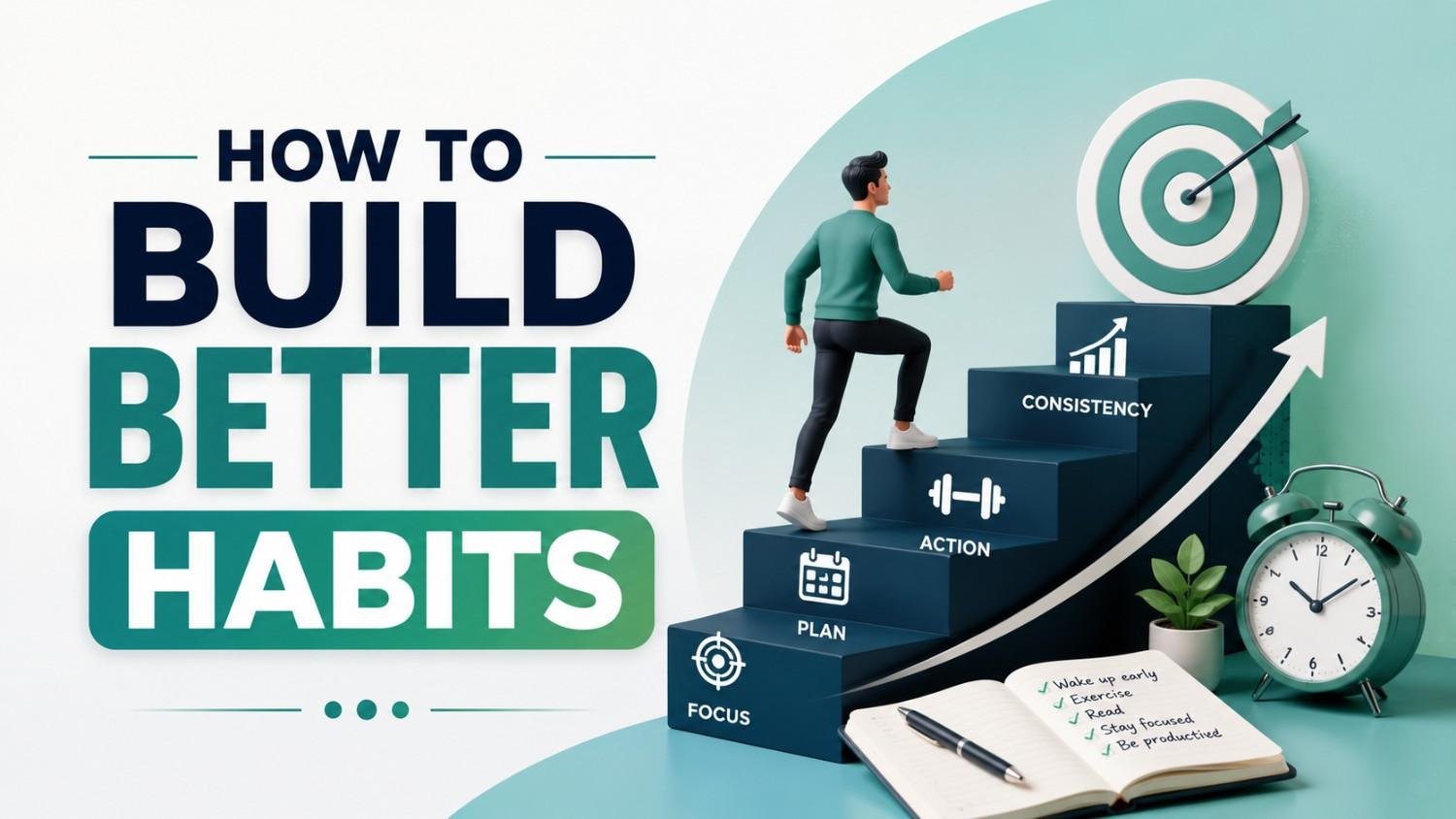
Here’s the thing, real change doesn’t come from motivation by itself, it comes from consistent habits. Small daily actions, when repeated over time, slowly turn into big long-term results. Whether your goal is improving your health, boosting your career, learning new abilities, or getting more organized, building better habits is one of the most reliable ways to reach sustainable success. Instead of depending on willpower every single day, good habits sort of do the work for you. They automate positive behaviors, so they become a normal, almost expected part of your day. In this guide, we’ll look at How to Build Better Habits, go over the science behind how habits form, and share practical strategies that help you create positive routines that actually last. Throughout this article, you’ll also find SEO keywords that fit naturally in the text, like Habit Building, Personal Development, Productivity Tips, Self Improvement, Daily Routine, Goal Setting, Positive Habits, Time Management, Healthy Lifestyle, Success Habits, Motivation, Consistency, Mindset, Self Discipline, and Life Improvement.
Why Good Habits Matter
Our daily habits influence like almost every part of our lives. The small decisions we do each day determine our output, health, financial stability, relationships, and even personal progress. Instead of waiting for random motivation, people who succeed make routines, that help them pick better options again and again. They just repeat the same small things, so the right behavior sticks , even when the day feels kind of messy.
Benefits of Building Better Habits
- Improves productivity.
- Reduces stress.
- Supports personal growth.
- Builds self-confidence.
- Creates long-term success.
- Encourages healthier living.
Strong habits make positive behaviors automatic over time.
1. Start with Small and Realistic Changes
One of the mistakes people make is trying to change everything at once. It does not work. Making many changes simultaneously often leads to frustration and burnout. Of completely redesigning your lifestyle overnight focus on one small habit that is easy to maintain.
Small improvements may seem insignificant at first. They become powerful when repeated consistently over weeks and months.
Simple Ways to Start
- Read for five minutes
- Walk for ten minutes.
- Drink one glass of water.
- Wake up ten minutes earlier.
- Write one journal entry.
- Practice gratitude each morning.
Why Small Habits Work
- They are easier to maintain.
- They are less overwhelming.
- They build confidence.
- They create long-term consistency.
Benefits
- progress.
- Increased motivation.
- Better success rate.
- Strong habit foundation.
2. Set Clear and Specific Goals
Building Positive Habits becomes much easier when you know what you want to achieve. Vague goals such as “I want to be healthier” or “I want to be more productive” do not provide direction. Instead define actions that you can complete every day.
Goal-Setting Strategies
- Define one objective.
- Set targets.
- Focus on actions.
- Track your progress.
- Celebrate milestones.
- Review goals regularly.
Why Clear Goals Matter
- They improve focus.
- They increase accountability.
- They make progress measurable.
- They reduce confusion.
Benefits
- direction.
- Greater motivation.
- Improved consistency.
- Higher success.
3. Build Habits Around Your Existing Routine
One of the ways to develop a new habit is to connect it with something you already do every day. This method, often called habit stacking helps your brain remember the behavior because it becomes part of an existing routine.
For example if you already drink coffee every morning you can spend five minutes reading afterward. If you brush your teeth every night you can follow that with a meditation session or plan your next days tasks.
Habit Stacking Ideas
- Read after breakfast.
- Stretch after waking up.
- Journal before bedtime.
- Exercise after work.
- Review goals before dinner.
- Practice gratitude after lunch.
Benefits
- habit formation.
- Better consistency.
- Less forgetting.
- routine development.
4. Create an Environment That Supports Success
Your surroundings play a role in shaping your behavior. A designed environment makes good habits easier and bad habits harder.
If healthy snacks are visible in your kitchen you are more likely to eat them. Likewise placing your phone out of reach while working can help improve concentration and reduce distractions.
Ways to Improve Your Environment
- Organize your workspace.
- Remove distractions.
- Keep foods visible.
- Prepare items in advance.
- Use reminders.
- Create spaces for work and relaxation.
Why It Matters
- It reduces decision fatigue.
- It encourages actions.
- It minimizes distractions.
- It supports consistency.
Benefits
- productivity.
- Better focus.
- Easier habit maintenance.
- Improved discipline.
5. Focus on Consistency of Perfection
Many people abandon habits after missing a single day because they believe they have failed. In reality occasional setbacks are a part of personal growth.
The goal is not to be perfect; it is to return to your routine quickly as possible. Missing one workout one reading session or one healthy meal won’t ruin your progress. What matters is continuing the habit over the term.
Consistency Tips
- Never miss twice in a row.
- Accept setbacks.
- Restart immediately.
- Focus on long-term progress.
- Avoid perfectionism.
- Celebrate consistency.
Benefits
- frustration.
- Greater resilience.
- lasting habits.
- Sustainable improvement.
6. Track Your Progress
Monitoring your progress provides motivation. Helps you stay accountable. Seeing a record of completed habits reinforces behavior and encourages you to continue.
Whether you use a notebook, calendar, app or spreadsheet tracking small achievements creates a sense of accomplishment and keeps your goals visible.
Ways to Track Habits
- Habit tracking apps.
- Printed calendars.
- Daily journals.
- Progress charts.
- Weekly reviews.
- Digital planners.
Why Tracking Helps
- It builds accountability.
- It shows improvement.
- It maintains motivation.
- It identifies challenges.
Benefits
- discipline.
- Increased confidence.
- Higher consistency.
- Clear progress.
7. Eliminate Bad Habits Gradually
Breaking habits is often more difficult than building positive ones. By relying solely on willpower, identify the situations, emotions or routines that trigger unhealthy behaviors. Replacing a habit with a healthier alternative is usually more effective than simply trying to stop it altogether.
Examples
- Replace media scrolling with reading.
- Swap sugary drinks for water.
- Walk of sitting during breaks.
- Listen to podcasts instead of random videos.
Benefits
- lifestyle.
- Better decision-making.
- Increased productivity.
- Reduced distractions.
8. Stay Motivated with Meaningful Rewards
Rewarding yourself after achieving milestones strengthens behavior. The reward does not need to be expensive; it simply needs to reinforce the effort you have made.
For example after completing a month of exercise you might treat yourself to a new book, workout gear or a relaxing day off.
Reward Ideas
- Buy a book.
- Watch your movie.
- Enjoy a meal.
- Take a relaxing break.
- Celebrate milestones.
Benefits
- Increased motivation.
- Positive reinforcement.
- Better commitment.
- Stronger habits.
9. Develop a Growth Mindset
People with a growth mindset believe they can improve through learning and consistent effort. By viewing mistakes as failures they treat them as opportunities to learn. Adopting this mindset makes it easier to overcome obstacles and maintain habits even during challenging periods.
Growth Mindset Practices
- Learn from mistakes.
- Accept challenges.
- Focus on improvement.
- Stay curious.
- Seek feedback.
Benefits
- Greater resilience.
- Higher confidence.
- Better adaptability.
- Long-term success.
10. Surround Yourself with Positive Influences
The people around you often influence your habits more than you realize.
Spending time with friends, mentors and colleagues encourages accountability and creates an environment where positive behaviors become easier to maintain.
Communities with shared goals can also provide motivation, advice and encouragement during moments.
Positive Influences
- Accountability partners.
- Mentors.
- Family support.
- Professional communities.
Benefits
- motivation.
- Stronger commitment.
- Shared learning.
- Improved consistency.
11. Prioritize Your Physical and Mental Well-Being
Healthy habits become easier to maintain when your body and mind are functioning well. Proper sleep balanced nutrition, regular exercise and stress management improve energy, concentration and emotional resilience. Taking care of your health creates a foundation, for every other positive habit you want to develop.
Healthy Daily Practices
- Sleep 7-8 hours.
- Stay hydrated.
- Exercise regularly.
- Eat meals.
- Practice mindfulness.
Benefits
- More energy.
- Better focus.
- Improved mood.
- Higher productivity.
Common Habit-Building Mistakes to Avoid
with good intentions certain mistakes can slow your progress.
Mistakes to Avoid
- Trying to change everything at once.
- Setting goals.
- Depending on motivation.
- Ignoring progress tracking.
- Giving up after setbacks.
- Comparing yourself to others.
Learning from these mistakes helps build stronger and more sustainable habits.
The Long-Term Impact of Better Habits
The habits you build today shape the person you become tomorrow. Like, those small daily improvements they might not look that dramatic in the beginning, but after months and years, they start making a real kind of personal and professional shift
By keeping patient, staying consistent, and staying locked in on that slow progress, anyone can form habits that help you win for the long haul.
Conclusion
Learning how to build better habits, is one of the most useful investments you can make in your personal and professional life. Lasting success isn’t made by occasional surges of motivation, it’s made by small, steady actions that you repeat every day. If you begin with goals that are realistic, tuck new habits into your existing routine, design a supportive environment , track what happens over time, and focus on consistency rather than perfection, you’ll be able to grow positive behaviors that turn into a natural part of your lifestyle.
Whether your aim is better health, higher productivity, learning new skills, or long-term personal growth, improved habits become the groundwork for lasting success. Just remember, meaningful change does not arrive overnight. Stay patient, remain consistent , and trust that every good action you take today helps create a better future.
Frequently Asked Questions
1. How long does it take to build a new habit?
The time varies for each person and habit, but consistent daily practice over several weeks or months generally leads to lasting behavior change.
2. Why do people struggle to maintain new habits?
Many people set unrealistic goals, try to change too much at once, rely only on motivation, or become discouraged after minor setbacks instead of focusing on consistency.
3. What is the best way to stay consistent?
Start with small habits, track your progress, connect new habits to existing routines, and create an environment that supports positive behavior.
4. Can bad habits be replaced with good ones?
Yes. Replacing an unhealthy habit with a positive alternative is often more effective than simply trying to eliminate the behavior without a replacement.
5. Why are habits important for long-term success?
Habits automate positive behaviors, reduce the need for constant decision-making, improve productivity, support personal growth, and make long-term goals easier to achieve.